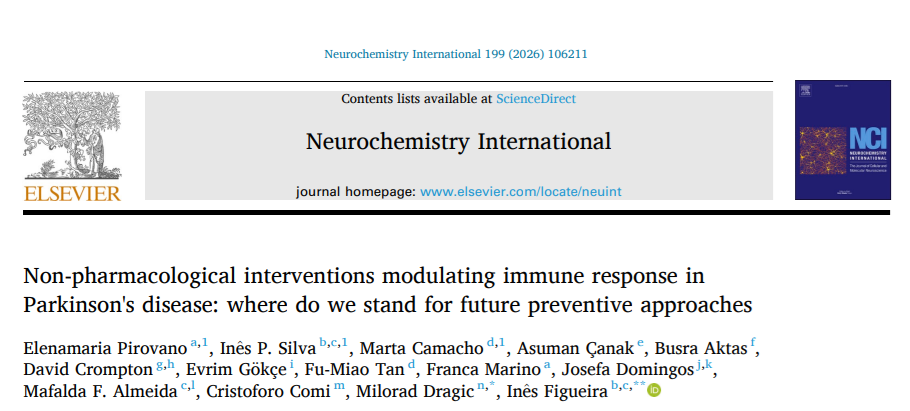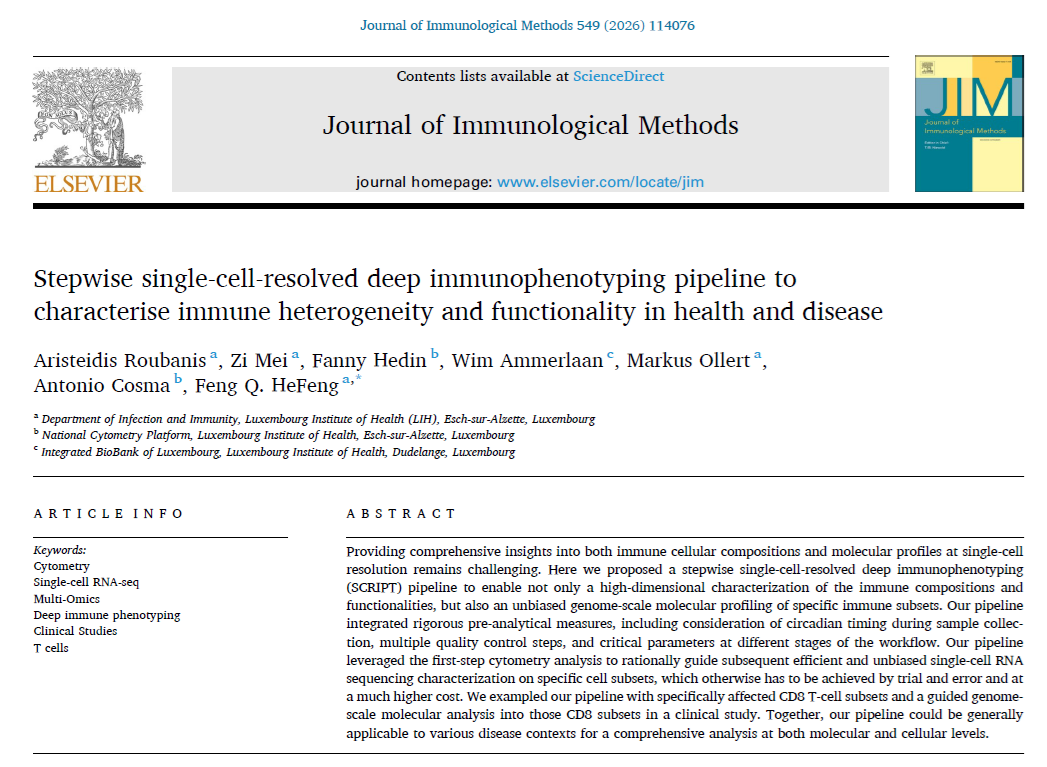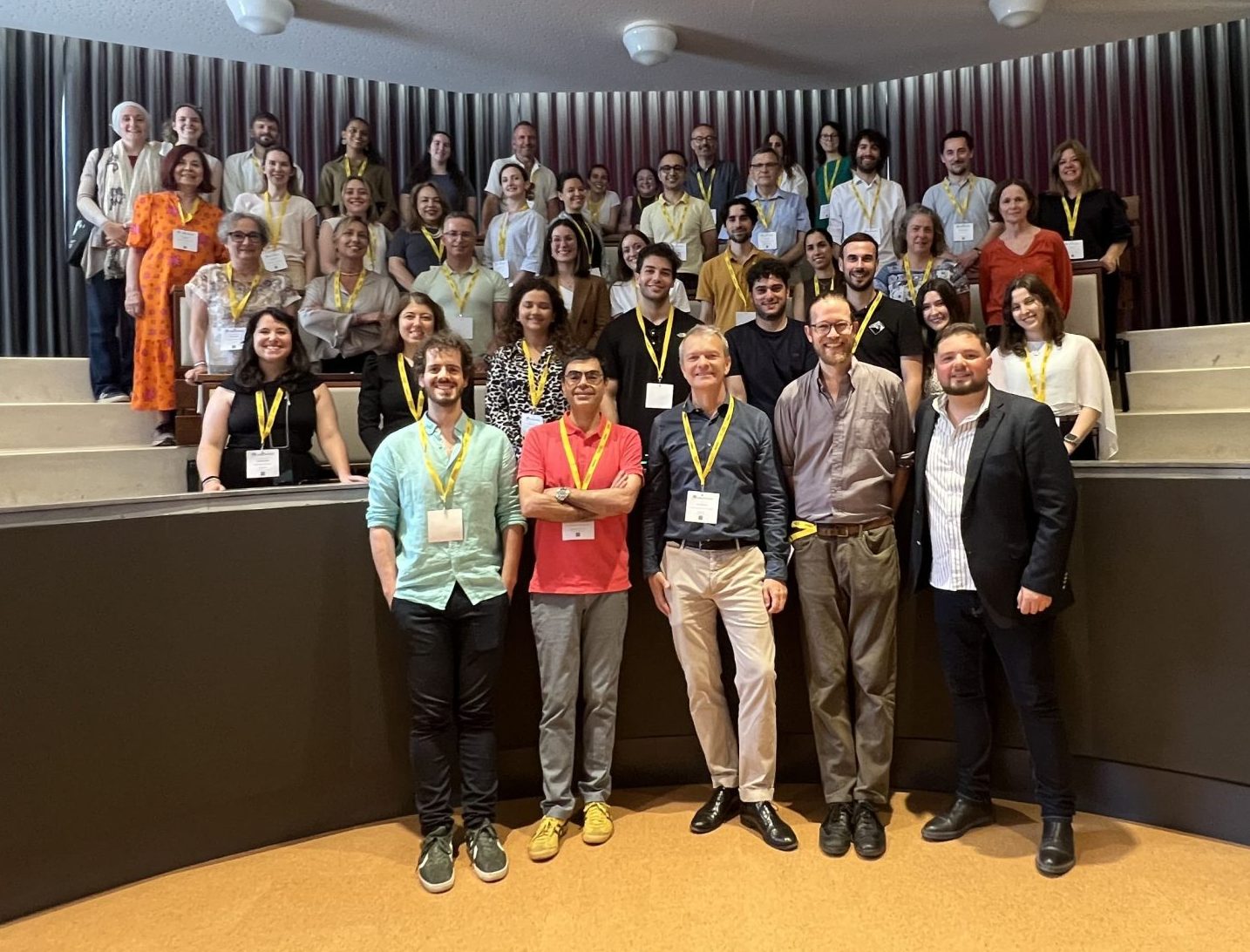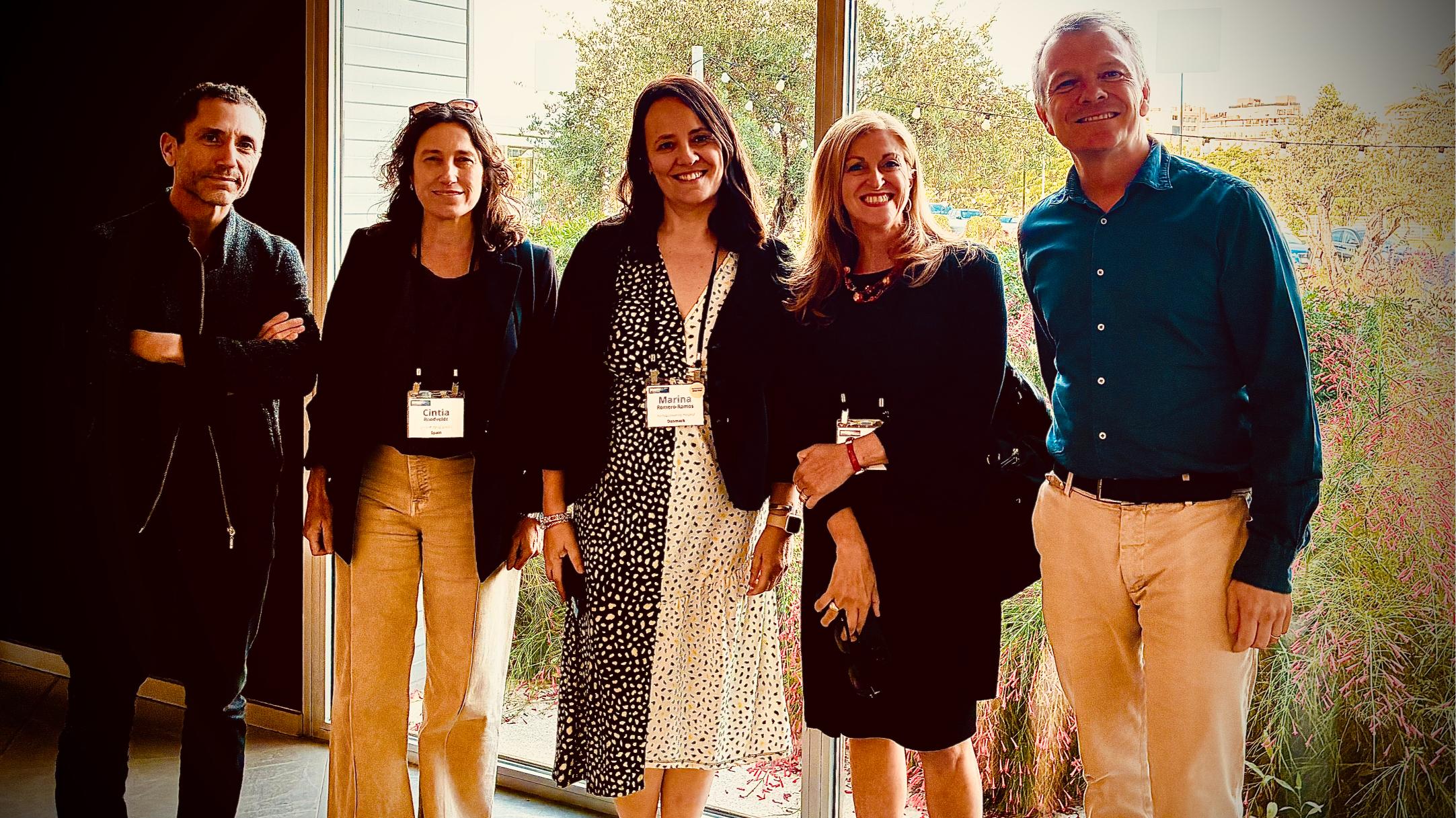
IMMUPARKNET successfully participated in the 7th international meeting of the Dopamine Society (Dopamine 2026), which took place from May 17 to May 21, 2026, in Seville, Spain. The participation was supported by a dissemination conference grant.
For more than 20 years, the Dopamine Meetings have provided a collaborative forum for scientists from diverse backgrounds to share their latest work and ideas. The meetings aim to foster cross-fertilization across basic and clinical approaches to accelerate the discovery of new cures for diseases associated with dopamine system dysfunction, including Parkinson’s disease, schizophrenia, and drug addiction. The conference, which rotates between Europe and North America, regularly draws between 400 and 600 delegates. Attendees include scientists, clinicians, nurses, physiotherapists, patients, graduate students, postdoctoral fellows, industry professionals, and members of charitable organizations.
Leading the Discussion on Neuro-Immune Mechanisms
During the event, IMMUPARKNET played a central role by chairing Parallel Session 6 on May 18th, titled “Neuro-immune mechanisms involved in Parkinson’s disease“.
The symposium opened with a comprehensive oral communication by Action Chair Cristoforo Comi entitled “The IMMUPARKNET COST ACTION: The role of IMMUnity in tackling PARKinson’s disease through a Translational NETwork”. This opening address highlighted several core elements of the initiative:
- The background and primary objectives of the IMMUPARKNET Cost Action;
- The overall composition of the network, including the total number of active members, as well as the distribution of age, gender, and countries represented;
- The results achieved to date, including references to manuscripts that have already been published during the course of the Action;
- The short-term gaps that need addressing, detailing the specific strategies applied within each working group (WG);
- The future directions and perspectives for the network, focusing specifically on upcoming scientific collaborations and grant applications.
Following the introductory talk, several key members of IMMUPARKNET took the stage to share their latest findings and contribute to the session:
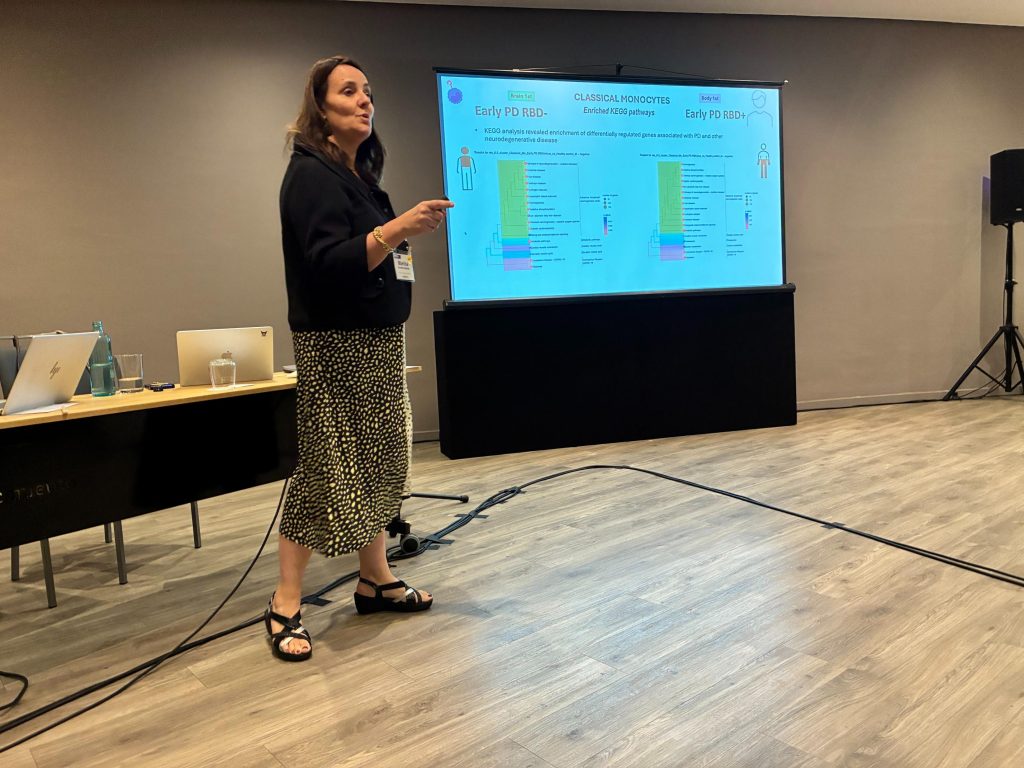
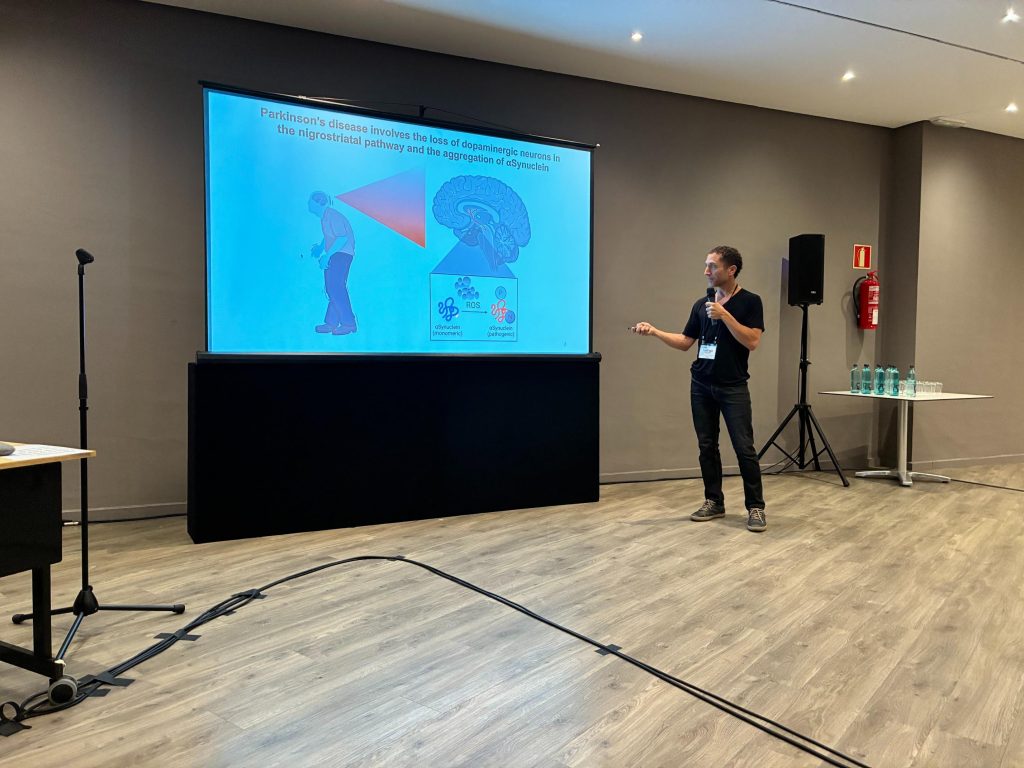
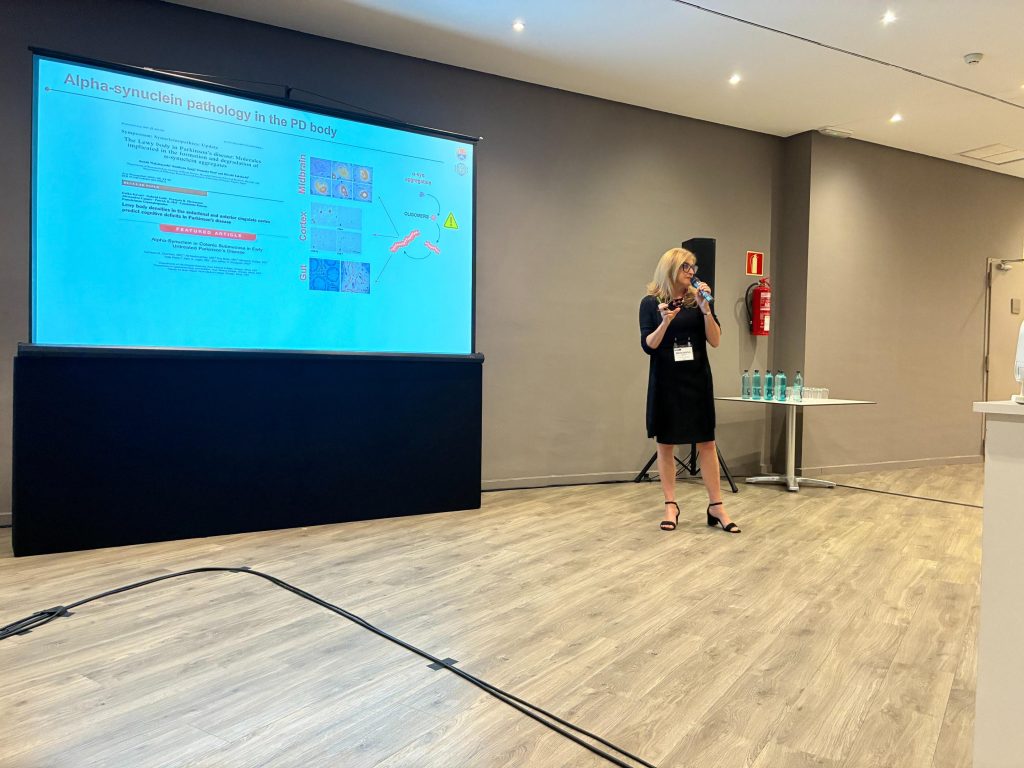
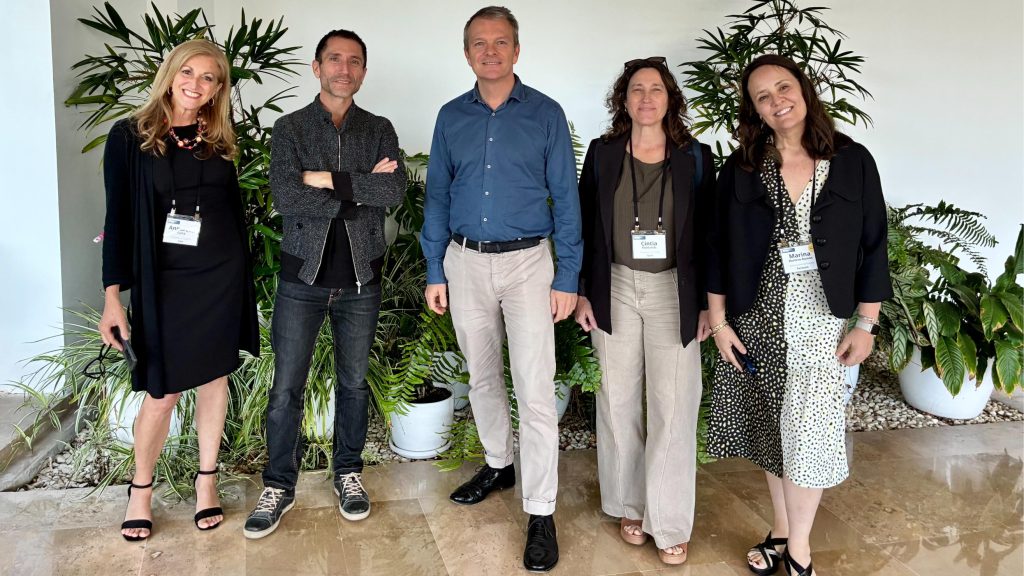
- Marina Romero-Ramos (WG1 leader from Aarhus University Hospital, Denmark) delivered a presentation titled “Can peripheral immune cells inform about Parkinson’s disease subtypes?”;
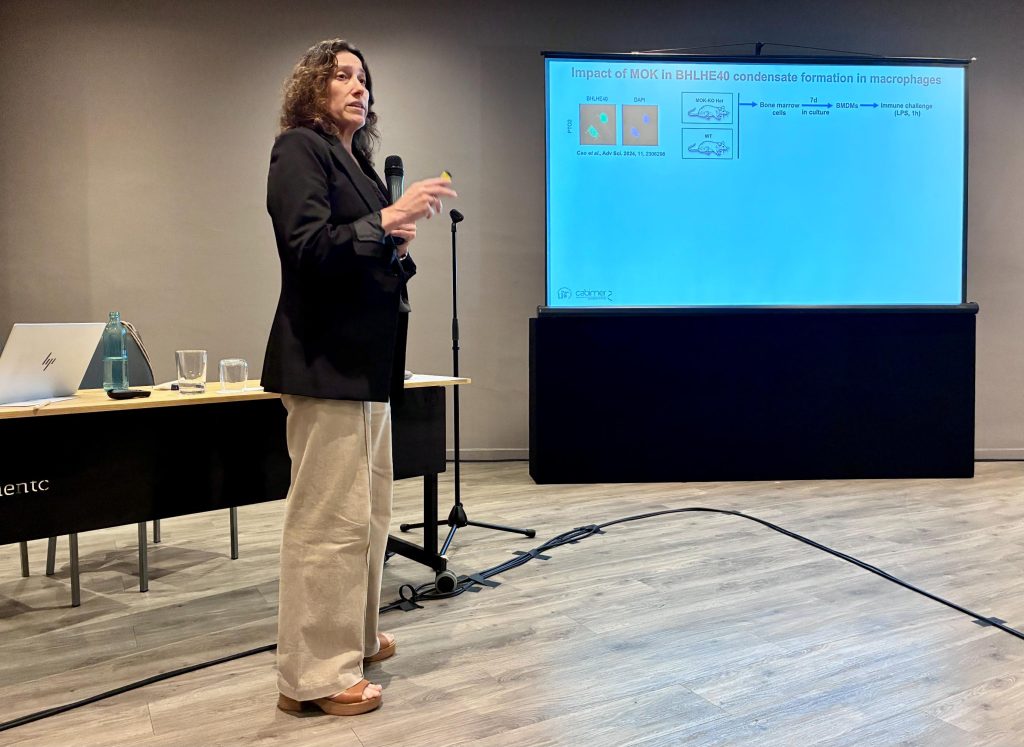
- Cintia Roodveldt (WG1-2-4 member from the University of Sevilla, Spain) discussed “A New Signaling Pathway in Microglia-mediated Responses, with Potential Implications in PD”;
- Rodrigo Pacheco (WG1-2-4 member from Universidad San Sebastián, Chile) presented on how a “Microbiota-dependent T-cell response to pathogenic alpha-synuclein plays a critical role triggering the development of sensory and motor impairment associated with Parkinson’s disease”;
- Annarosa Carta (WG 2-4 member from the University of Cagliari, Italy) concluded the member contributions with her talk on “Pharmacological targeting of immune responses to rescue motor and non-motor symptomatology in Parkinson’s disease“.
Through these presentations and the lively exchange of ideas during the event’s extensive poster sessions—which covered fields like genetics, electrophysiology, imaging, and biomarker identification —IMMUPARKNET continues to drive forward the critical dialogue on immunity’s role in Parkinson’s disease